Autism, Interoception & Body Signals
Internal body signals are not always easy to notice, interpret or respond to.
Autistic people may experience differences in recognising signals such as hunger, thirst, pain, temperature, toileting needs, nausea or changes in internal arousal.
Explore clear visual resources about interoception in autism, including eating, body awareness, internal signals and the ways sensory and nervous-system differences can affect everyday needs.
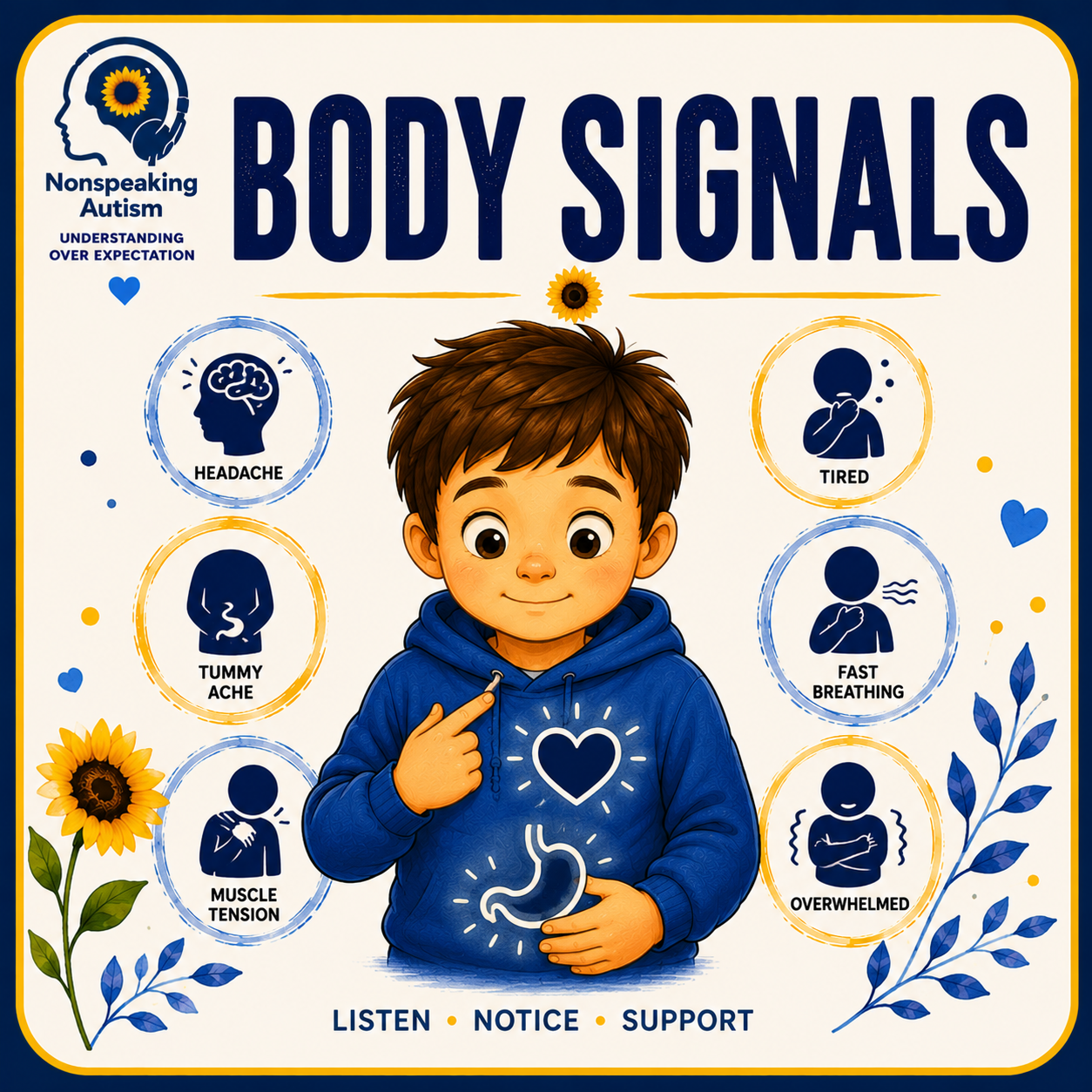
Interoception & Body Signals Resources
Explore our free visual guides covering interoception in autism, eating, hunger, thirst, pain, temperature, toileting, body awareness and understanding internal signals.
Click any graphic below to open a larger view and explore it in more detail.


Want a printable copy?
Prefer to keep a copy, print it at home or use it in an educational setting?
Download high-quality, unwatermarked versions of our Interoception & Body Signals resources from our Payhip shop.